
PEM Water Electrolytic Cell & Stack
PEM Water Electrolytic Cell CH-1 Nm³/h PEM Hydrogen Electrolyzer Stack
The CH-1 PEM electrolyzer stack is intended for integration into a hydrogen-generation system. Review the published specifications below, then request a technical proposal defining the electrochemical module and any required rectifier, water loop, gas treatment, controls and safety equipment.

Product Overview
A stack module—not a complete hydrogen plant
At a published 1 Nm³/h hydrogen-production rating, the stack still requires engineered DC power, water circulation, thermal management, gas-liquid separation, controls and plant safety systems.
A responsible proposal must define the stack terminal voltage and power curve, operating pressure, inlet-water conditions, outlet stream composition, permissible differential pressure, cooling duty, instrumentation, protection logic, expected degradation and replacement boundary.
Buyer Profile
Electrolyzer OEMs
Manufacturers integrating a qualified PEM stack into their own balance-of-plant design.
EPCs & Packagers
Teams owning rectification, water loops, gas processing, controls and plant interfaces.
Defined Duty Cycle
Projects that can specify current profile, pressure, temperature, starts and expected lifetime.
Engineered Stack Supply
Interfaces, acceptance testing, documentation, spares and warranty agreed before manufacture.
Published Technical Data
CH-1 published stack data
Each rating needs a defined test point, tolerance and stack boundary before it becomes guaranteed design data.
CH-1 cell count: 7 cells. The specified hydrogen purity is 99.99% after drying. Confirm gas-stream separation and the drying-equipment boundary in the technical proposal. Weight, stack voltage, power, active area and lifetime are not provided here.
Published Value
Stack Supply Boundary
Define exactly what accompanies the CH-1 stack
The “Water Electrolytic Cell” and “Stack” labels do not define a complete package. The quotation must separate the supplied electrochemical module and local fittings from every balance-of-plant item provided by the integrator.
Electrochemical Module
Cell count, active area, membrane/electrode architecture, compression system and serial identification.
Electrical Terminals
Busbar geometry, polarity, insulation, grounding, current and voltage measurement interfaces.
Fluid Connections
Anode-water inlet, hydrogen/oxygen outlets, drain points, port sizes, materials and allowable loads.
Local Instrumentation
Included temperature, pressure, differential-pressure or leak-detection devices and signal types.
Integrator-Supplied BOP
Rectifier, pumps, separators, heat exchanger, dryer, purifier, PLC and safety systems unless listed.
Spares & Service Tools
Commissioning kit, seals, sensors, special lifting fixtures, preservation and replacement-stack plan.
Scope rule: Rectifier, water treatment, circulation pump, gas-liquid separators, dryer, controls and enclosure are excluded unless explicitly listed in the signed equipment schedule.

Stack Integration Checklist
Inputs required before stack configuration freeze
The integrator should issue a stack interface control document covering electrical, hydraulic, gas, mechanical, control and safety conditions.
- Required H₂ output basis and operating-current profile
- Rectifier voltage range, ripple, ramp and shutdown behavior
- Anode-water quality, flow, pressure and inlet temperature
- H₂/O₂ outlet pressures and permitted differential pressure
- Gas-liquid separator and crossover-monitoring strategy
- Heat load, temperature control and circulation design
- Port sizes, mating connections and allowable nozzle loads
- Instrumentation, trips and emergency shutdown logic
- Insulation monitoring, grounding and touch protection
- Duty cycle, starts, standby and renewable-power profile
- Installation orientation, lifting and maintenance access
- Applicable codes, FAT witness and documentation language
FAT & Project Documents
Agree acceptance evidence before manufacture
Document availability, language, format and approval stages should be included in the quotation.
Key Applications of PEM Electrolyzers
PEM electrolyzers are engineered to deliver efficient, high-performance hydrogen production for a wide range of applications. Designed to meet the demands of various sectors, these electrolyzers ensure reliable, sustainable hydrogen generation to support both industrial and environmental goals.


Renewable Energy Integration
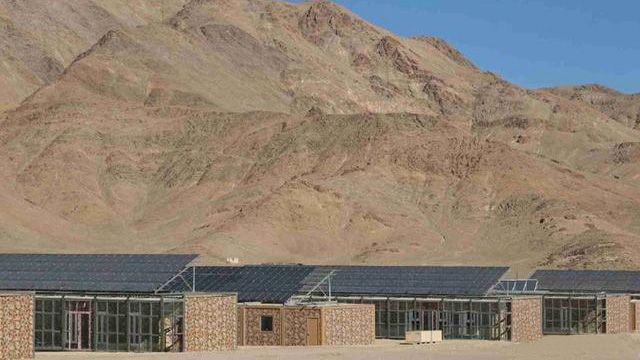
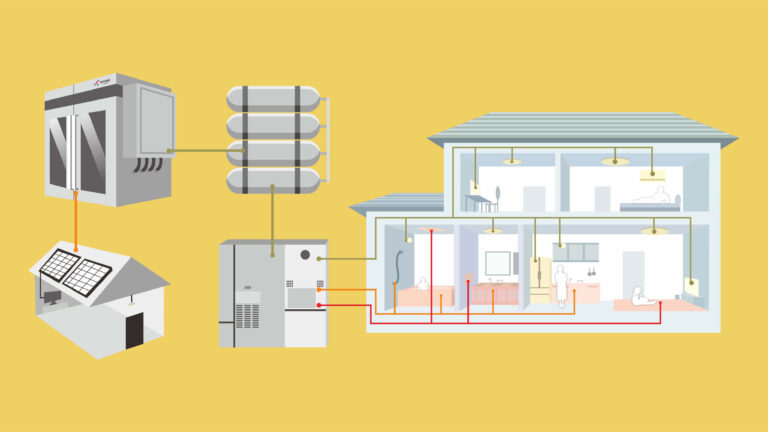
Ideal for pairing with renewable sources like solar and wind, enabling the efficient conversion of excess energy into green hydrogen for storage and use.
Hydrogen Production for Industrial Use
Perfect for large-scale production facilities, providing high-purity hydrogen for industrial processes, including fuel cells and chemical manufacturing.
Green Chemical Hydrogen / Storage
Essential for large-scale green chemical production, offering sustainable hydrogen generation and storage solutions for clean chemical processes.
Hydrogen for Hydrogenation
Designed for consistent hydrogen supply to hydrogenation processes in industries such as food production, refining, and specialty chemicals.
Benefits of our Electrolyzers
Mature technology
High efficiency
Compatible with renewable power
Leading performance guarantee
Full maintenance support
Modularity
Hydrogen purity: 99.99% after drying
Robust materials
Dynamic operation
High pressure (30 bar)
Potential Applications
Industrial use cases requiring project validation
Suitability depends on downstream purity, pressure, duty, safety and compliance requirements.
Renewables
Wind & Solar Hydrogen
Dynamic power profile, controls, storage strategy and grid/off-grid architecture review.
Chemicals
Ammonia, Methanol & Feedstock
Continuous demand, downstream compression, purification and process-interface definition.
Metals
Steel, Glass & Heat Treatment
Hydrogen quality, consumption profile, redundancy and plant utility integration.
Electronics
Semiconductor & Electronics
Purity measurement, dryer/purifier boundary, monitoring and facility acceptance requirements.
Mobility
Hydrogen Refueling Projects
Production interface with compression, storage, dispensing and applicable station standards.
Energy
Storage & Microgrids
Dispatch strategy, load cycling, controls and integration with storage or fuel-cell assets.
Procurement Workflow
From integration basis to stack acceptance
01
Integration Basis
Issue production duty, current profile, pressure, water loop, thermal design and required standards.
02
Technical Proposal
Reconcile ratings, stack boundary, interfaces, documentation, warranty and exceptions.
03
Interface Freeze
Approve datasheet, ICD, GA, terminal/port details, ITP, FAT plan and change process.
04
Manufacture & Stack FAT
Build the approved configuration and test against agreed stack-level acceptance criteria.
05
Delivery & Integration
Coordinate preservation, lifting, installation checks, commissioning guidance and handover records.
Related products
Compare other PEM stacks by hydrogen output.
Check each model's specifications for your integration needs.


CH-1 FAQ
Questions to resolve before purchase
Is 1 Nm³/h a guaranteed stack output?
The source publishes 1 Nm³/h hydrogen production, but the proposal must define normal conditions, current, temperature, pressure, water quality, tolerance, run duration, degradation state and FAT measurement method.
Does the CH-1 include a rectifier and balance of plant?
Do not assume so. A stack normally requires external DC power, water circulation, thermal management, gas-liquid separation, drying, controls and safety equipment. Only the signed scope schedule determines what is supplied.
What does the oxygen-table mixing note mean?
The source places “Hydrogen is mixed with oxygen” beside the oxygen-production entry while also describing a separate pure-hydrogen outlet. This must be resolved in writing through flow diagrams, outlet definitions, crossover limits and FAT measurements before purchase.
Is the operating pressure 3.5 MPa or 30 bar?
Marketing copy says up to 3.5 MPa, the table labels 3.5 MPa as “maximum stress,” and another page statement says 30 bar. Request separate H₂/O₂ rated pressure, differential-pressure limit, design/test pressure and protection settings.
Is 99.99% purity available directly from the stack?
The specified hydrogen purity is 99.99% after drying. This does not describe untreated wet gas at the stack outlet. Confirm the dryer scope, analyzer method and measurement location in the project specification.
What electrical information is still required?
The published current is 355 A, but terminal voltage, current density, DC power, efficiency curve, ripple limit, ramp rate, overload envelope and insulation requirements must be supplied for rectifier design.
Request CH-1 Proposal
Submit the project basis for engineering review
A useful stack quotation should resolve the published-data gaps and define ratings, interfaces, FAT evidence, warranty and every integrator responsibility.
- Product: PEM Water Electrolytic Cell CH-1 Nm³/h PEM Hydrogen Electrolyzer Stack
- Email: heletitaniumhydrogen@gmail.com
- Phone / WhatsApp: +86 138 5740 2537
- Location: Dongguan, Guangdong, China